Source Eco Friendly Biodegradable Cutlery for Weddings Parties
Compare 30 listings of eco friendly biodegradable cutlery from verified Chinese manufacturers. Buyers can evaluate materials like bamboo and PLA, customization options, and certifications for restaurant and event use; compare the available evidence and request quotations based on your requirements.
Key considerations
Products List




Comprehensive Sourcing Guide
Eco Friendly Biodegradable Cutlery Sourcing Guide
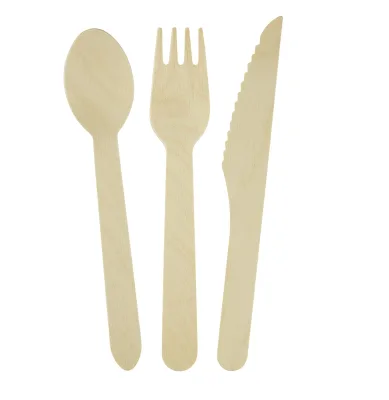
Procuring eco-friendly biodegradable cutlery requires a strategic approach that balances environmental integrity with functional performance for commercial buyers. The market offers diverse materials, including wood, bamboo, and bioplastics like CPLA, each presenting distinct advantages for specific use cases. Buyers must first define their operational needs, such as whether the cutlery will serve hot foods, cold beverages, or general takeaway services, as this dictates the appropriate material selection. For instance, wooden and bamboo options are often preferred for their natural aesthetic and compostability, while CPLA provides heat resistance for warmer meals. Understanding these material distinctions is the foundational step in building a sustainable supply chain that meets both corporate sustainability goals and customer expectations for quality.
Beyond material selection, the customization capabilities of suppliers play a crucial role in brand alignment and operational efficiency. Many manufacturers offer extensive customization options, including logo printing, size adjustments, and tailored packaging solutions, which help businesses maintain brand consistency across different service channels. Whether sourcing from Jiangsu Suzhou or Anhui, China, buyers should evaluate how well a supplier’s customization framework integrates with their existing logistics and branding strategies. This flexibility allows for the creation of unique product sets, such as specific knife, fork, and spoon combinations, that cater to niche markets like weddings, parties, or specialized coffee shops. Aligning these customizable features with your target audience ensures that the final product not only performs well but also reinforces your brand’s commitment to eco-conscious practices.
Product Scope and Observed Listing Signals
The current market landscape for biodegradable cutlery reveals a wide spectrum of product types, ranging from traditional wooden sets to modern bioplastic alternatives. Listings frequently highlight items such as sporks, flatware sets, and disposable cutlery kits, with models like LZ-120SZ and SY-001 indicating a variety of structural designs. Buyers should observe that product names often emphasize features like "eco-friendly," "biodegradable," and "disposable," which serve as primary marketing signals. However, these terms must be cross-referenced with specific material compositions, such as 100% bamboo or CPLA, to ensure they align with your sustainability criteria. The presence of multicolor or natural bamboo color options further suggests that aesthetic versatility is a key differentiator in this category, allowing buyers to match cutlery with specific event themes or brand identities.
Observed listing signals also point to significant variations in packaging and sizing, which are critical for logistics and end-user experience. Standard sizes such as 105mm, 140mm, and 160mm for sporks, along with specific dimensions like 140mm16mm or 170mm26mm, indicate that buyers must carefully match product dimensions to their intended use cases. Packaging options range from simple OPP bags and kraft bags to more robust carton and woven bag packaging, with some suppliers offering fully customizable packing solutions. These signals suggest that buyers should prioritize suppliers who provide clear, detailed specifications for both product dimensions and packaging formats, as these factors directly impact storage efficiency, shipping costs, and the overall presentation of the product to end consumers.
Technical Specifications to Verify
Verifying technical specifications is essential to ensure that the cutlery meets the functional demands of your business operations. Key parameters to confirm include the operating temperature range, which for many biodegradable options spans from -25℃ to 200℃, ensuring suitability for both cold and hot food services. Buyers should also verify the folded or unfolded state of the product, as this affects storage density and ease of use. Additionally, the availability of customized sizes, such as 4/6 inch options or specific millimeter measurements, allows for precise alignment with existing tableware or serving protocols. It is crucial to confirm that the material, whether wood, bamboo, or CPLA, maintains its structural integrity under expected usage conditions, preventing breakage or deformation during service.
Another critical aspect of technical verification is the consistency of product standards and model numbers across different batches. Suppliers often list multiple models, such as SY-010, SY-16, or SY-001/022/033, each potentially corresponding to different set configurations or material compositions. Buyers must ensure that the specified standards, whether OEM or ODM, are clearly defined and consistently applied. This includes verifying the exact composition of the cutlery set, such as whether it includes optional knives, spoons, and forks, and ensuring that these components meet the required durability and safety standards. Clear documentation of these technical details helps prevent discrepancies between ordered and delivered goods, ensuring that the procurement process remains smooth and reliable.
Compliance and Safety Documentation
Compliance with international safety and environmental standards is non-negotiable for eco-friendly cutlery procurement. Buyers must verify that suppliers hold relevant certifications, such as ISO9001 for quality management, ISO14001 for environmental management, and BRC or BSCI for social compliance. These certifications indicate that the manufacturer adheres to rigorous production and ethical standards, reducing risks associated with supply chain disruptions or regulatory non-compliance. Additionally, product-specific certifications like Ok Compost, BPI, EN13432, and FDA approval are critical for confirming that the materials are truly biodegradable and safe for food contact. These documents provide the necessary assurance that the products meet legal requirements in target markets, particularly in regions with strict environmental regulations.
Beyond manufacturing certifications, buyers should also request documentation related to material safety and chemical compliance. Certificates such as CE, MSDS, and Kof-Kosher may be required depending on the destination market and the specific use case of the cutlery. It is important to verify that these certifications are current and issued by recognized bodies, as outdated or invalid certificates can lead to customs delays or product recalls. Furthermore, buyers should ensure that the supplier provides clear information on the biodegradability claims, including test results or third-party validations that support the "eco-friendly" and "biodegradable" labels. This due diligence protects your brand from greenwashing accusations and ensures that your sustainability claims are substantiated by credible evidence.
Cost Drivers and Commercial Terms
Understanding the cost drivers in the biodegradable cutlery market is vital for effective budgeting and negotiation. Prices in this category can vary significantly based on material type, customization level, and order volume. Observed listing signals suggest a wide range of prices, but buyers should focus on the total cost of ownership, including shipping, packaging, and potential tariffs. The minimum order quantity (MOQ) is a significant factor, with ranges typically spanning from 500 to 600,000 pieces, depending on the supplier and product complexity. Higher customization, such as logo printing or unique packaging, may increase the MOQ and unit cost, so buyers should balance these requirements against their inventory capacity and sales forecasts.
Commercial terms also play a crucial role in the overall procurement strategy. Buyers should negotiate clear terms regarding payment methods, lead times, and return policies. While specific lead times are not always disclosed, it is important to establish realistic expectations based on the supplier’s production capacity and current order backlog. Additionally, buyers should inquire about bulk discounts or tiered pricing structures that can reduce unit costs for larger orders. Understanding these commercial dynamics allows for more accurate financial planning and helps in selecting suppliers who offer the best value proposition. By focusing on total cost rather than just unit price, buyers can make more informed decisions that align with their long-term procurement goals.
Supplier Qualification and Quality Control
Supplier qualification is a critical step in ensuring the reliability and consistency of your eco-friendly cutlery supply. Buyers should conduct thorough due diligence on potential suppliers, verifying their factory certifications, production capabilities, and quality control processes. Suppliers located in regions like Jiangsu Suzhou or Anhui, China, may offer different advantages in terms of logistics and expertise, so buyers should evaluate these factors based on their specific needs. It is also important to assess the supplier’s ability to handle customization requests, such as logo printing or unique packaging, without compromising on quality or delivery timelines. A robust supplier qualification process helps mitigate risks and ensures that you partner with manufacturers who share your commitment to sustainability and quality.
Quality control measures should be integrated into the procurement process to maintain high standards throughout the supply chain. Buyers should request samples for initial evaluation and consider implementing third-party inspections for larger orders. These inspections can verify that the products meet the specified technical and compliance requirements, including material composition, dimensions, and packaging integrity. Additionally, buyers should establish clear communication channels with suppliers to address any issues promptly and ensure continuous improvement. By prioritizing supplier qualification and rigorous quality control, buyers can build a resilient supply chain that delivers consistent, high-quality eco-friendly cutlery, supporting their brand reputation and customer satisfaction.
Long-Term Procurement Checks
Long-term procurement success depends on continuous monitoring and evaluation of supplier performance and market trends. Buyers should regularly review supplier metrics, such as on-time delivery rates, product defect rates, and responsiveness to issues, to identify areas for improvement. It is also important to stay informed about changes in environmental regulations and consumer preferences, which may impact the demand for specific types of biodegradable cutlery. By maintaining a proactive approach to supplier management, buyers can adapt to market shifts and ensure that their procurement strategy remains aligned with their sustainability goals. This ongoing evaluation helps in identifying new opportunities for cost savings, innovation, and risk mitigation.
Furthermore, buyers should consider developing long-term partnerships with suppliers who demonstrate a strong commitment to sustainability and innovation. These partnerships can lead to collaborative efforts in product development, such as creating new biodegradable materials or improving existing designs. By fostering these relationships, buyers can gain access to exclusive products and preferential terms, enhancing their competitive advantage in the market. Additionally, regular audits and feedback loops with suppliers can drive continuous improvement in quality and efficiency. Ultimately, a strategic, long-term approach to procurement ensures that your eco-friendly cutlery supply chain remains robust, sustainable, and responsive to the evolving needs of your business and customers.
FAQs
What certifications do eco friendly biodegradable cutlery products have?
These products typically hold ISO9001, ISO14001, BRC, BSCI, Sedex, and FSC-Coc factory certifications. Product certifications often include Ok Compost, BPI, EN13432, FDA, and Kosher standards. These credentials ensure compliance with international safety and environmental regulations for global buyers.
Can I customize the design and logo on the cutlery?
Yes, customization is available for new designs, logos, sizes, and trademarks. Buyers can request specific branding to match their corporate identity. The packaging is also customizable, allowing for tailored presentation. This flexibility supports unique marketing strategies and brand recognition in competitive markets.
What materials are used for these biodegradable cutlery sets?
Materials include 100% bamboo, wooden options, and CPLA. Bamboo cutlery offers a natural color and eco-friendly profile. CPLA provides heat resistance up to 200°C. These materials ensure durability and safety for hot foods while maintaining biodegradable properties suitable for environmentally conscious consumers and businesses.
What are the standard sizes and specifications for the cutlery?
Standard sizes include 105mm, 140mm, and 160mm for sporks, along with 70mm and 95mm options. Specific models feature dimensions like 140mm by 16mm or 170mm by 26mm. Sizes can also be customized to meet specific client requirements. This variety ensures suitability for diverse dining scenarios.
What is the minimum order quantity for bulk purchases?
The minimum order quantity ranges from 500 to 600,000 pieces depending on the product type. Some items have an MOQ of 10,000 pieces. Flexible MOQs accommodate both small businesses and large-scale industrial buyers. This range allows for scalable procurement strategies tailored to specific inventory needs and budget constraints.
Where are these eco friendly cutlery products manufactured?
Products originate from China, with specific manufacturing hubs in Jiangsu Suzhou and Anhui. These locations are known for robust production capabilities and supply chain efficiency. Sourcing from these regions provides access to established factories with certified quality management systems and experienced labor for consistent output.